
GADA PARTNERS WITH THE UNIVERSITY OF CALABAR TO ENHANCE RESEARCH CAPACITY
Gender and Development Action (GADA) engages at all levels of society in Cross River State and the Niger Delta towards reducing the high level of sexual and gender-based violence (SGBV) in the region. Recognising the importance of research in informing effective interventions and assessing impact, GADA partnered with the Department of Public Health at the University of Calabar (UNICAL) in 2023 to build its research capacity. GADA also aimed to bridge the gap between researchers and non-governmental organizations (NGOs) by fostering research partnerships. Non-governmental organizations (NGOs) often face challenges in applying research findings effectively in their programs. Additionally, studies conducted by research experts are frequently not well disseminated or utilized. To address this situation, GADA initiated a training initiative for its program staff in preparation for a CRS-wide study to explore the determinants of SGBV and to propose community-based solutions.
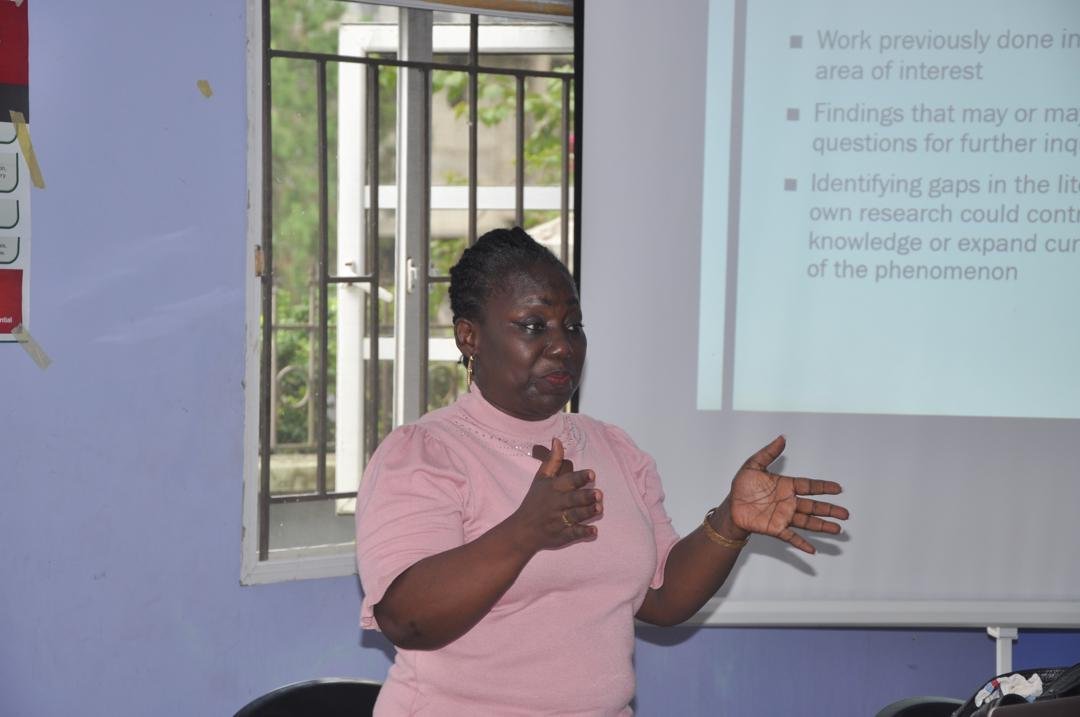
Dr. Antor Ndep of the Department of Public Health, UNICAL, the lead facilitator and research consultant
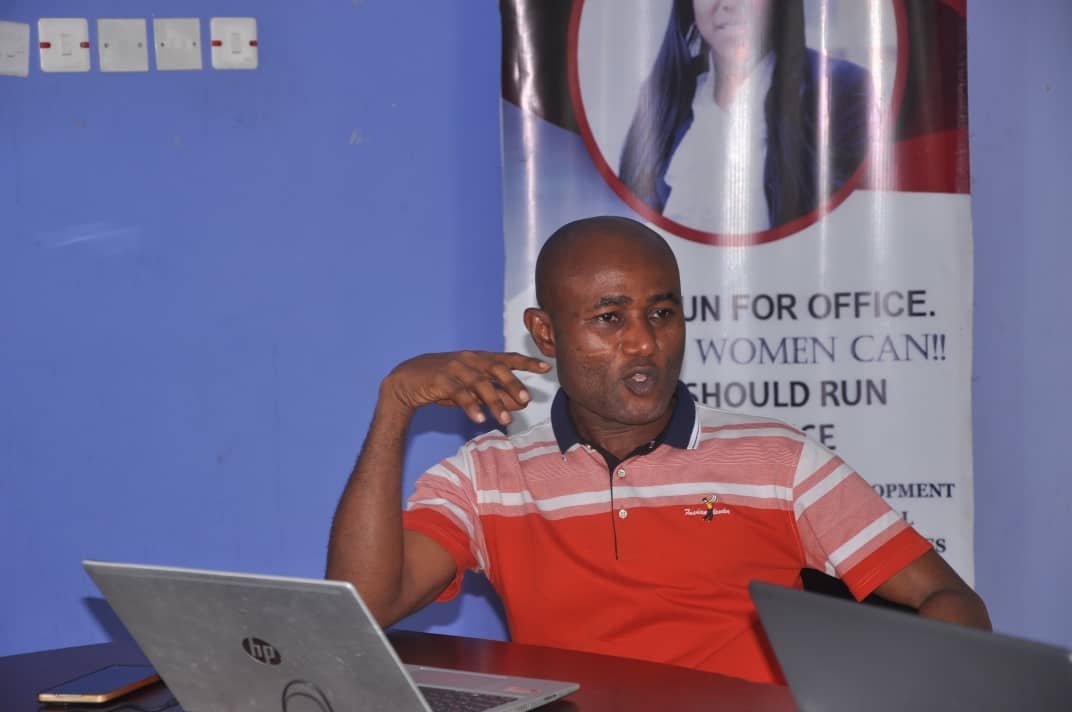
Dr. Kelvin Ezechiedo- research consultant
The primary objectives of this initiative were to build in-house research capacity to research SGBV, to utilise research findings to design and implement effective interventions and to strengthen program responses to address the complex factors contributing to SGBV. The capacity-building activities involved comprehensive training workshops facilitated by four researchers from UNICAL. Over a 3-month training period, 17 GADA staff members were trained in core areas of qualitative and quantitative research, including research design and methods, sampling, questionnaire development, data collection, transcription, data analysis and report writing.
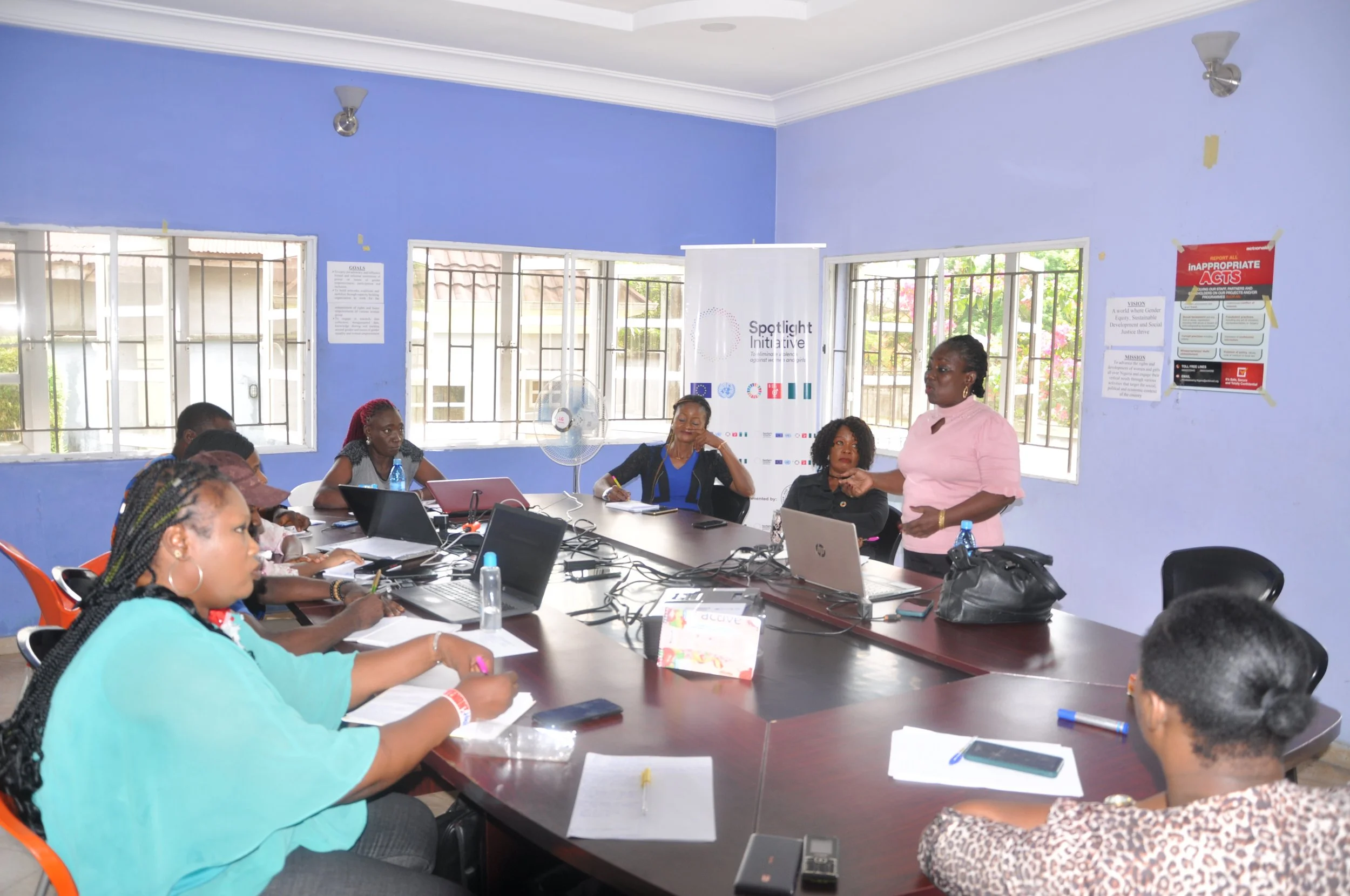
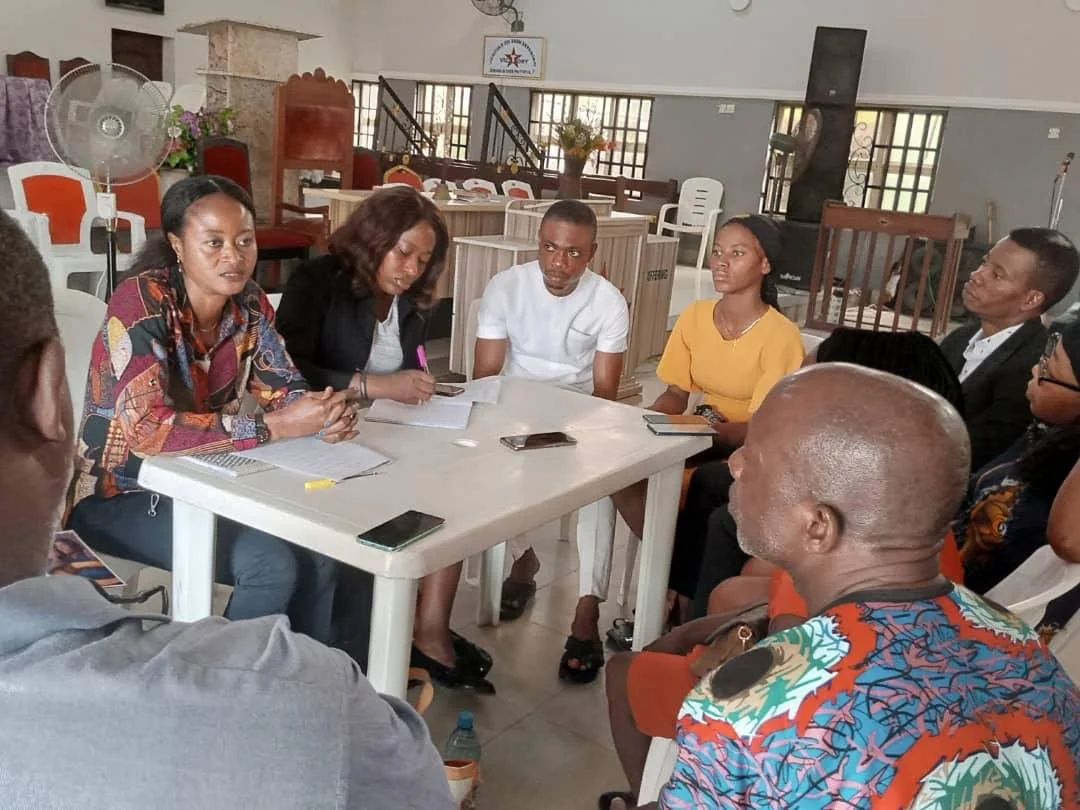
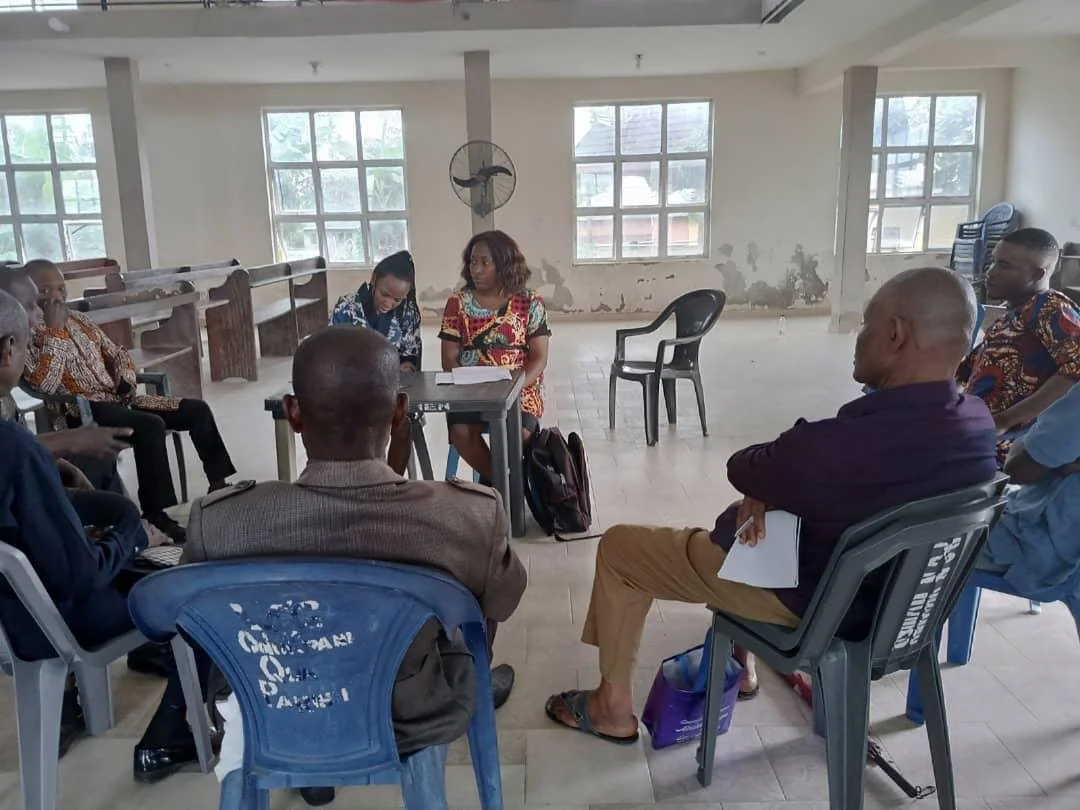
Staff at one of the research trainings held at GADA office
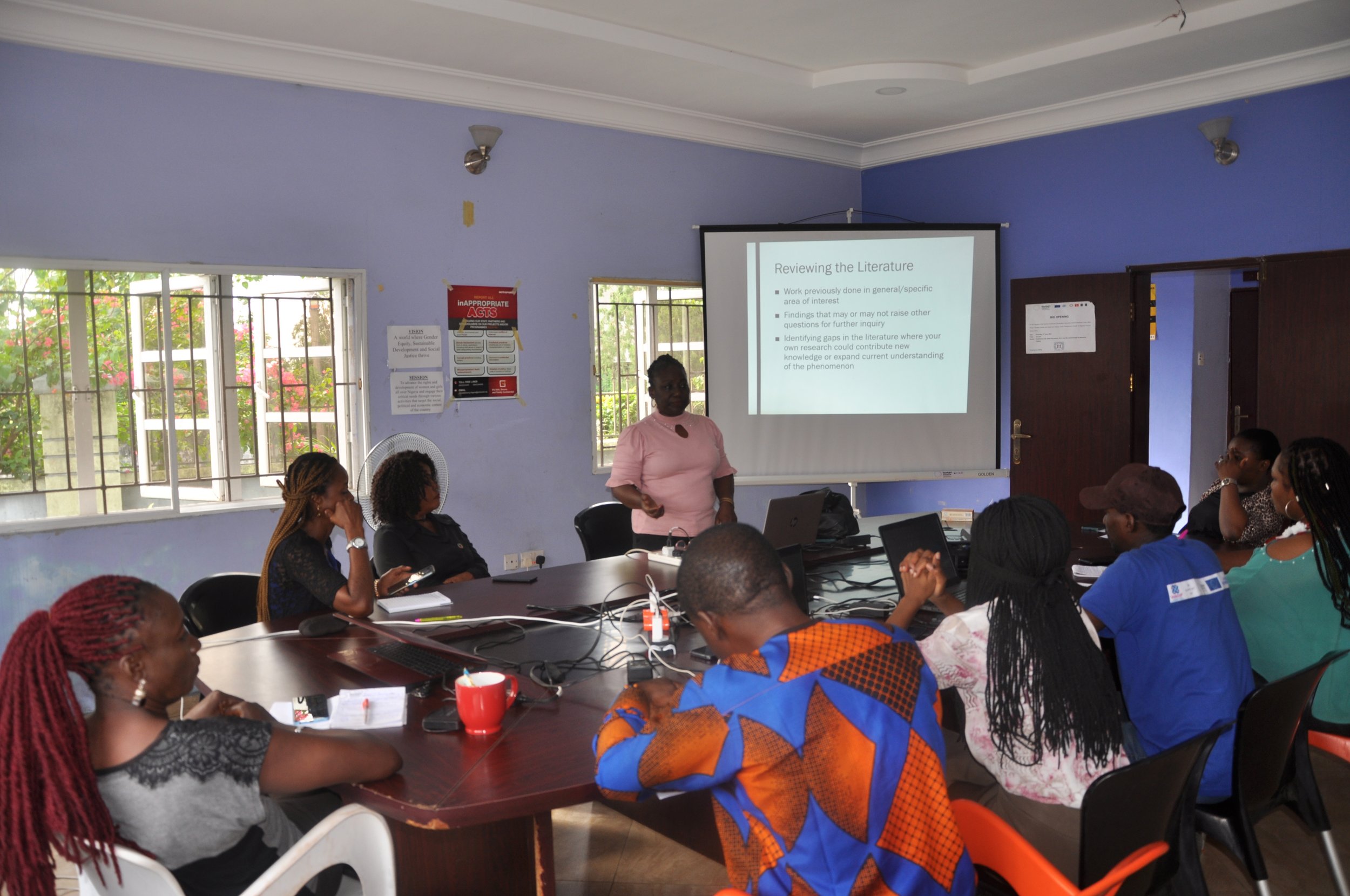
The training significantly improved the research capacity of the participants. Before the training, only 50% reported having some research knowledge, and 40% felt capable of conducting research. However, post-training results showed that 100% of participants reported improved research knowledge. Fifty per cent scored ‘very well’ on personal integrity in research ethics, and 60% scored ‘well’ on understanding autonomy in research ethics.
Trained staff gained confidence and proficiency in writing problem statements and abstracts, calculating sample size, developing research questions, administering questionnaires, and analyzing data. They also became proficient in facilitating Focus Group Discussions (FGDs) and Key Informant Interviews (KIIs). The enhanced research capacity has had a profound impact on GADA’s programming and impact assessment. Staff are now capable of conducting independent research, and research findings are routinely used to design and refine programs. There is also better monitoring and evaluation of programs. Additionally, several abstracts were developed and shared at conferences locally and internationally.
GADA’s collaboration with UNICAL underscores the value of partnerships between NGOs, CSOs, and universities/research institutions towards building research capacity. In our experience, strengthening NGO research capacity leads to better program design and effectiveness. Our initiative to enhance research capacity through strategic collaborations with UNICAL represents a major advancement towards GADA’s self-reliance in conducting research, while simultaneously enabling access to research experts and partners when required.