
When Safety Becomes Silence: Confronting Gender-Based Violence in Cross River
There is a kind of violence that hides in plain sight. It does not always come from strangers in dark alleys. Sometimes, it lives within homes, behind familiar faces, trusted voices, and closed doors. Its damage is not only physical; it fractures trust, distorts safety, and leaves survivors battling systems that often struggle to respond.
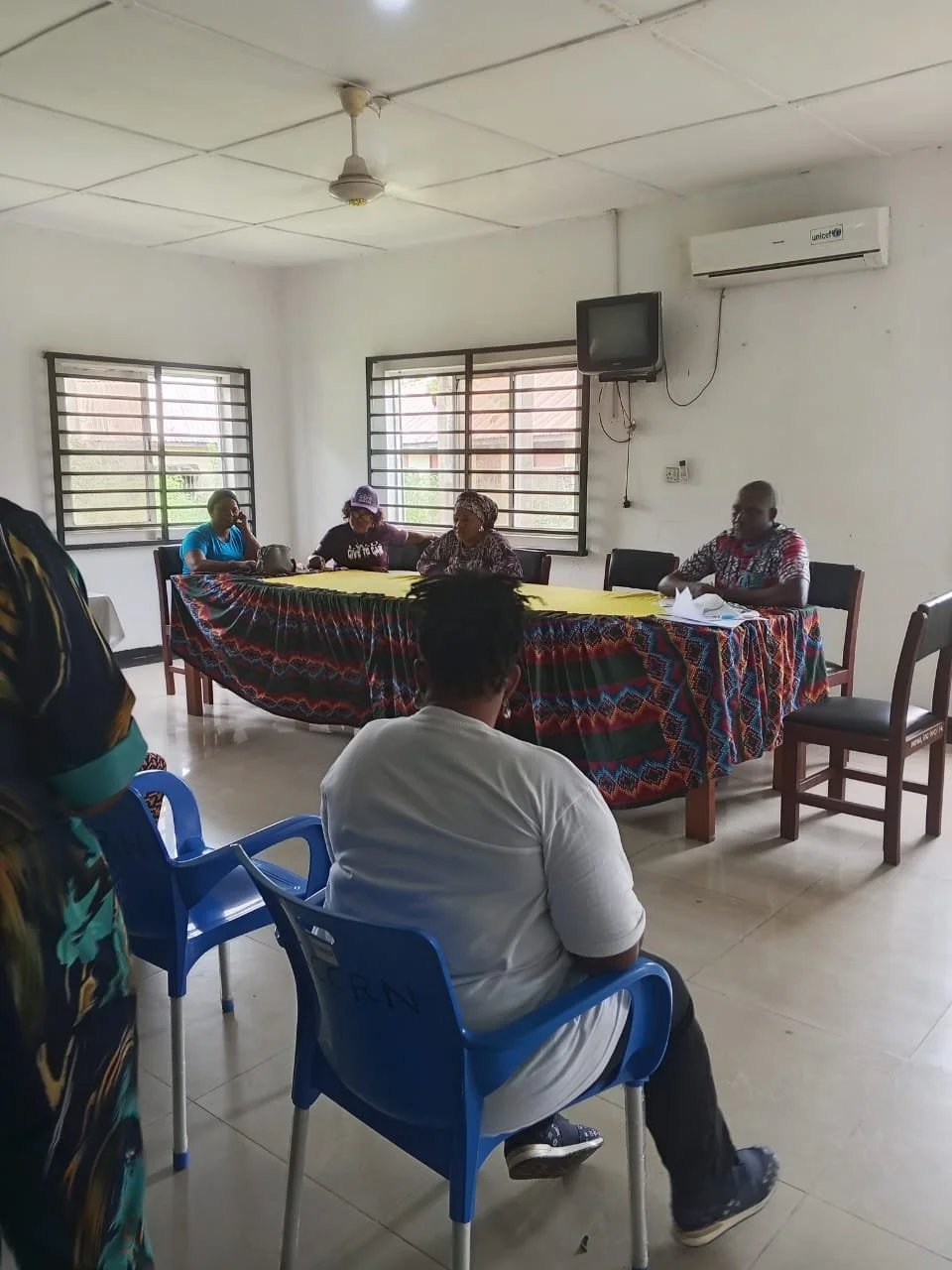
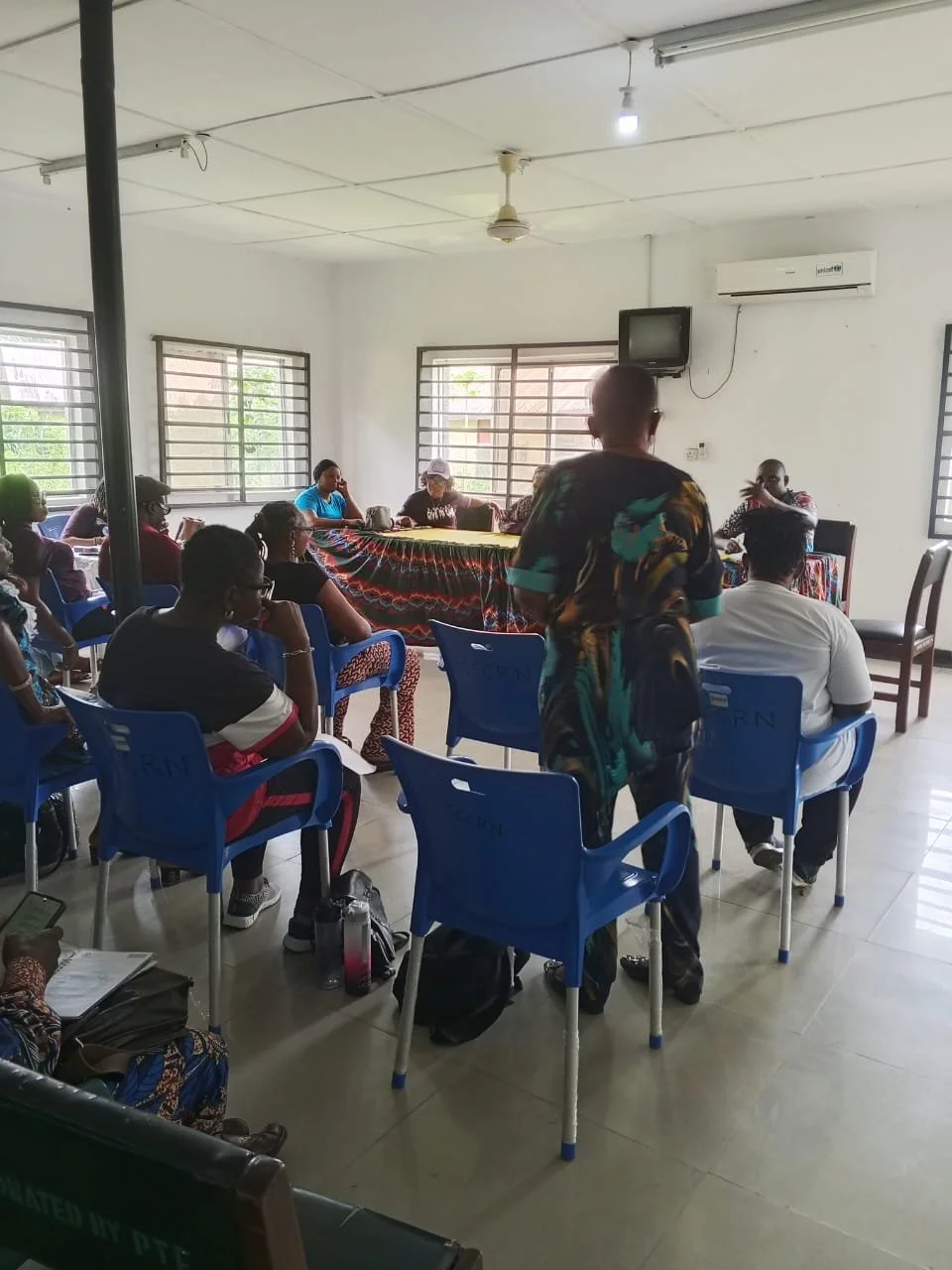
This reality came into sharp focus during a one-day Gender-Based Violence (GBV) Technical Working Group meeting convened by the Cross River State Ministry of Women Affairs in Calabar. Stakeholders gathered not just to review numbers, but to confront a troubling pattern emerging from recent data.
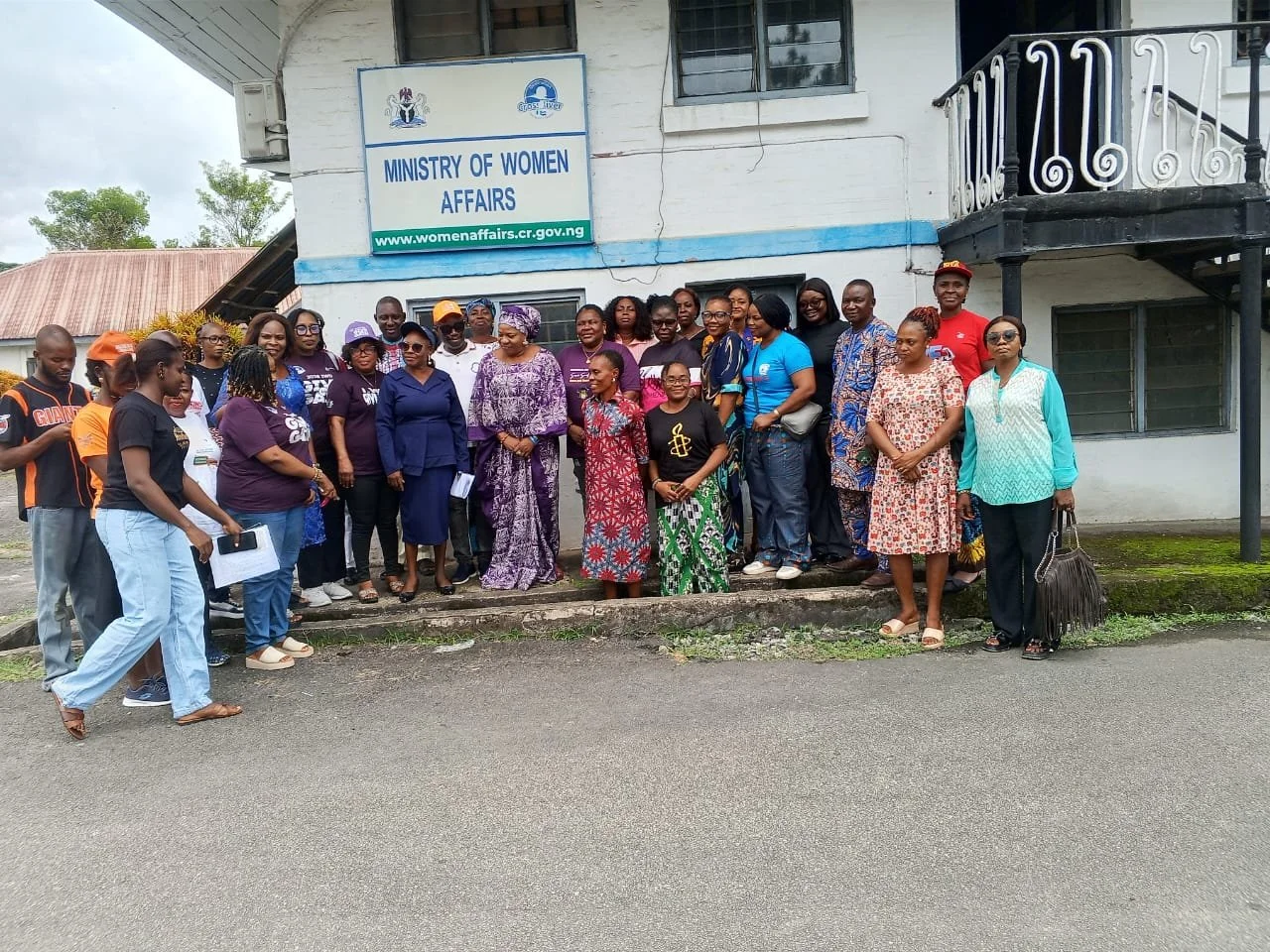
Between October 2025 and March 2026, at least 80 cases of GBV were documented across the state. These ranged from rape and domestic violence to denial of inheritance rights. Yet beyond the figures lay a more unsettling truth; many rape cases involved family members and close relatives. The very spaces meant to offer protection are, for some, the sites of violation.
Reports presented by response agencies revealed the scale and complexity of the crisis. The Citizens’ Rights and Public Defender Department accounted for the largest share, while law enforcement confirmed that several cases are already before the courts. Civil society organisations, including Gender and Development Action (GADA), contributed to documenting cases, underscoring the role of coordinated reporting in addressing the full scope of the issue.
But the meeting did not dwell on numbers alone. It turned a critical lens on the systems designed to deliver justice. Concerns were raised about practices that undermine accountability such as the cases of extortion within some police divisions, and the quiet settlement of rape and defilement cases outside the courts. In one GADA meeting in Akpabuyo, the police officer in charge said,
“we are seeing fewer cases of GBV at the police station because of internal settlements without the involvement of the police”
These actions do more than delay justice; they deny it entirely, reinforcing a cycle where perpetrators remain unchallenged and survivors are left unheard.
Equally pressing was the issue of data integrity. Inaccurate or duplicated reporting not only weakens policy responses but also jeopardizes opportunities for funding and support. Stakeholders emphasized that credible data is not just a technical requirement—it is a lifeline for survivors and a foundation for effective intervention.
In response, the Working Group of which GADA is a member, committed to pursue concrete actions. Plans are underway for an advocacy visit to the Commissioner of Police to raise some of the cases of reported misconduct and seek ways to strengthen institutional accountability from the police. Efforts to harmonize GBV data collection have also advanced, with a unified reporting template submitted for national review. These steps aim to build a more coordinated, transparent, and survivor-centered response system.
Yet, beyond policy and process, the meeting said the deeper question of what does protection mean when harm comes from within family or intimate relationships remain unresolved ? Addressing GBV in Cross River State will require more attention to enforcement, it will demand a shift in social norms, stronger community vigilance, and systems that prioritize survivors at every stage. In this regard, GADA’s Community Crisis Management Teams (CCMT) are helping to pilot systems and tools for GBV prevention and response.
Clearly with examples like the GADA’s CCMT, the conversation is not ending in meeting rooms. It is extending into communities, institutions, and everyday actions. Because until survivors can trust both their homes and the systems meant to protect them, the silence around gender-based violence will remain an enduring harms.
At GADA, we remain committed to working with partners to strengthen response systems, promote accountability, and ensure that every survivor is seen, heard, and supported.
Submitted by Charity Abang