
High Awareness, Zero Safety: Nigeria’s GBV Crisis Exposes Chilling Protection Gap
New empirical research presented by the National Institute for Policy and Strategic Studies (NIPSS) has uncovered a stark paradox: while communities boast exceptionally high awareness rates, reaching 76.2% in Rivers State, they suffer from a critical 64.3% protection deficit driven by an absolute lack of safe shelters, accessible legal aid, and confidential referral pathways.
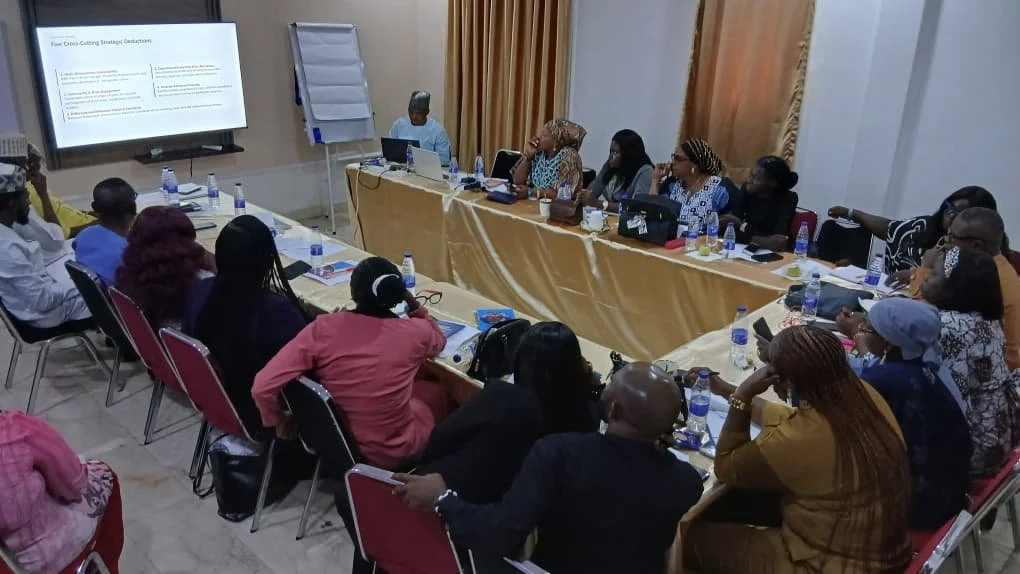
Stakeholders gathered in Abuja for the Intersectional GBV Prevention Coalition formation event, hosted by Gender and Development Action (GADA) with support from the Ford Foundation, warned that public enlightenment campaigns are failing survivors without foundational institutional support.
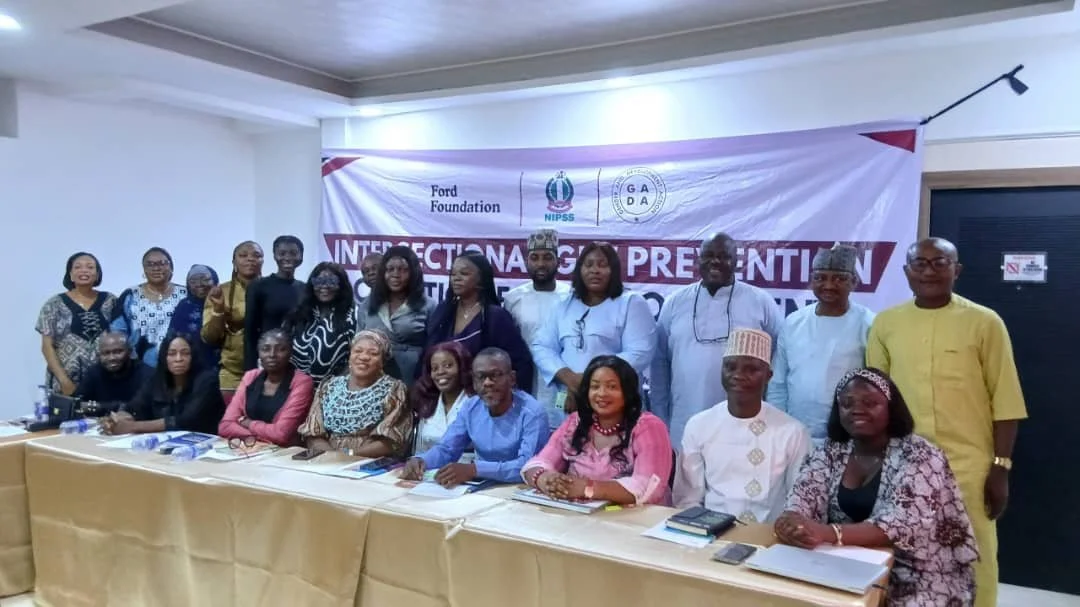
“Public awareness campaigns alone, without functional shelters, accessible legal aid, and confidential referral pathways are not enough.— Mr. Atiku Baba (NIPSS)
Experts stressed that intersectional vulnerabilities compounded by poverty, age, displacement, and disability, require moving beyond surface-level advocacy.
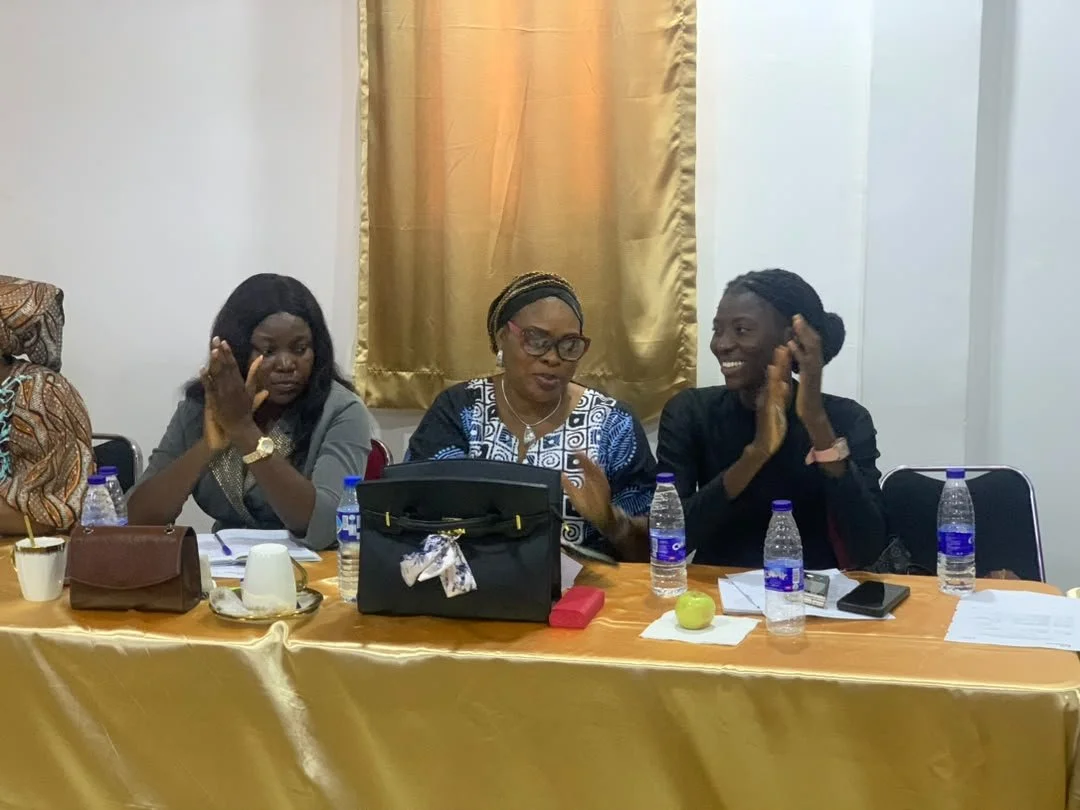
“Let us move beyond paper commitments to practical collaboration to make our society free from violence and safe for all,” urged Hon. Edema Irom, the Honorable Commissioner for Women Affairs, Cross River State.
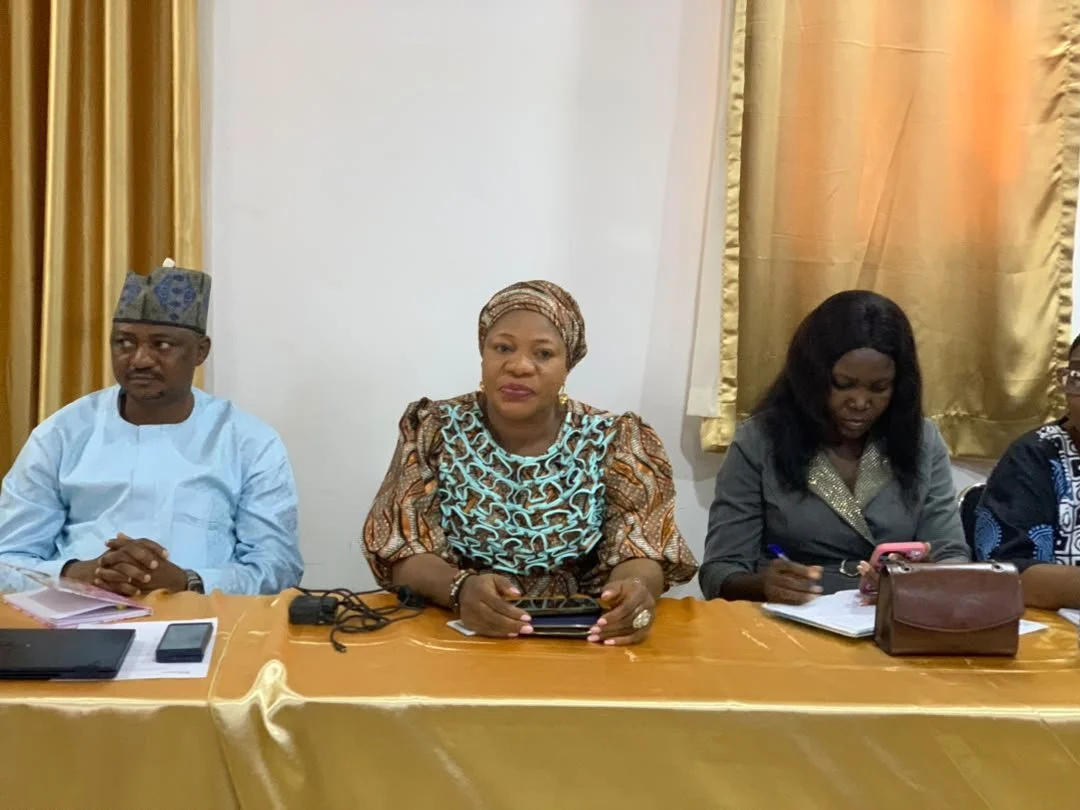
The coalition called for a decentralized mobile protection services, survivor-centered justice, and strict institutional accountability across Nigeria.